

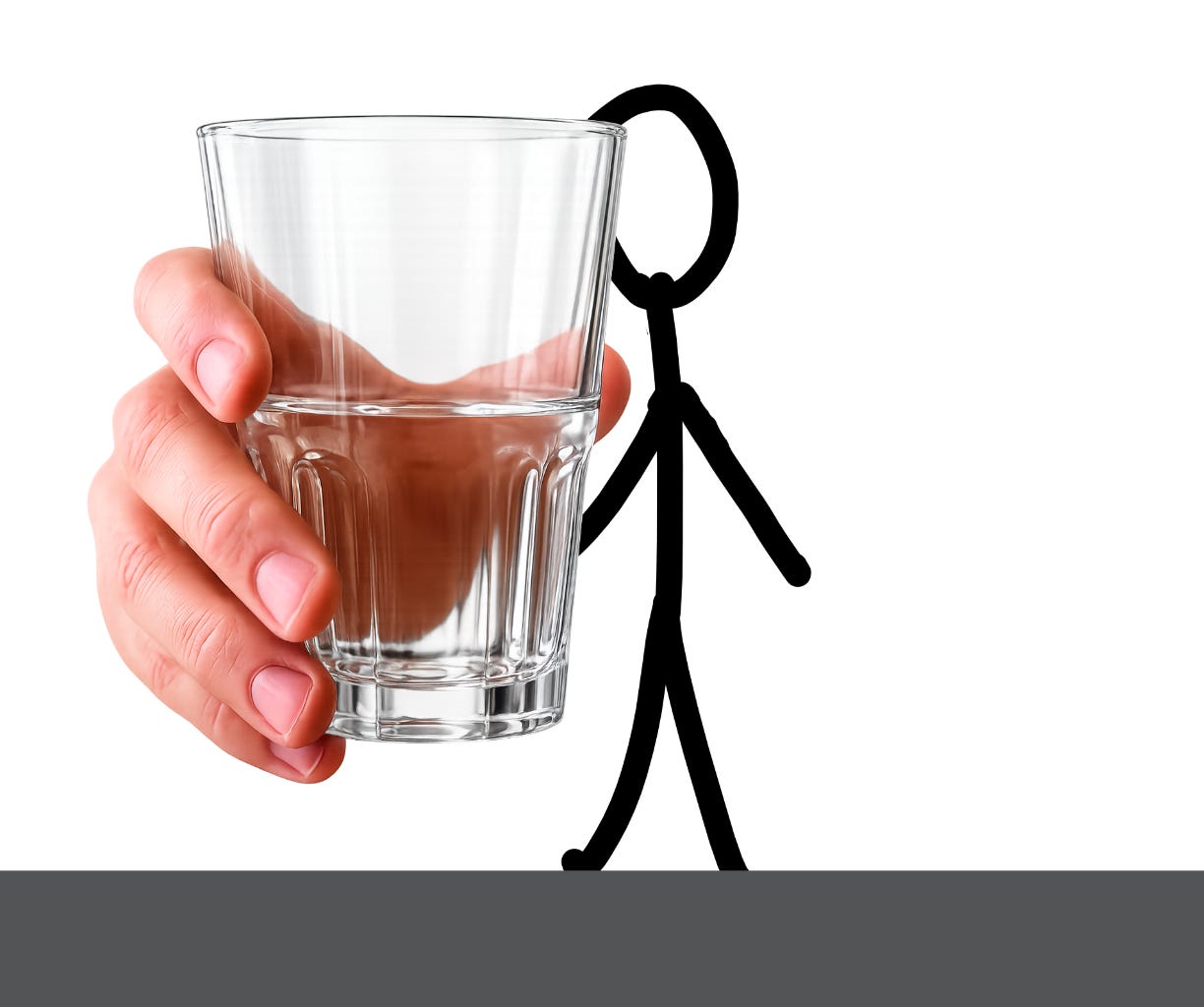
There is one non-alcoholic drink that beats any other. In fact, I drink it every day. It is water.
I am a casual drinker. As long as it is refreshing, I am good with it, and if it has bubbles, even better. But some people take it a tad more seriously than me. What if you could earn money tasting different waters, the way people do with wine?
It turns out you can. They are called water sommeliers, and they pour water into a wine glass, swirl it, hold it to the light, sniff it, and then tell you about its character. Some of them work in restaurants with a water menu, where a bottle of water can cost 20 dollars.
And it comes with a diploma. There is a real professional body, the Water Sommelier Union, which calls itself the international association of certified water sommeliers. You take a course, you pass, and you walk away with a certificate that says you are a qualified water expert. One school will sell you the whole thing for just under 2,000 euros. After that you are allowed to advise restaurants and shops on their water, and people can book you to run a tasting at their next event.
Before I take any of it apart, let me be fair, because part of it is real. Water genuinely does taste different from water. Not because of a mountain or a story, but because of what is dissolved in it. As water runs through rock it picks up tiny amounts of minerals, calcium, magnesium, a little sodium, and those are what your tongue is actually reading. A bit of calcium gives water a soft, almost sweet body. Water with almost nothing in it tastes thin and empty. Even the water experts agree on this. They treat the amount of dissolved mineral in the water as the thing that matters most. So there is something real here. Hold onto it, because in a moment it becomes the joke.
This is the scam. The same shop that sells you the diploma will also sell you a single bottle of water for 10,000 euros. One bottle. 750 ml of Svalbardi, iceberg water melted from Arctic ice, for 10,000 euros.
And here is the detail that gives the whole thing away. That water is almost empty. It has one of the lowest mineral contents you can buy, about 21 mg/l, which by the experts’ own logic means it should taste of almost nothing. Better still, the seller says so out loud. In the description they tell you that you are paying for the time, the provenance, and the fact that it can never be made again. Not for the water. The water, they admit, is not the point.
So the most expensive water on earth is sold on the honest confession that the water does not matter. That is not luxury. That is a scam in a beautiful bottle.
You can make that same water at home. The experts measure total dissolved solids, or TDS, which is simply how much stuff is dissolved in the water, the minerals and salts and everything else. You can buy a little meter that reads it for about 15 euros. It works by passing a tiny current through the water and seeing how easily it flows.
The 10,000 euro glacier water reads 21 on that scale. And a normal reverse osmosis filter, the kind you fit under a kitchen sink for around 200 euros, strips almost everything out of tap water and leaves it somewhere between 1 and 20. Your under-sink filter makes water that is as empty as the most expensive bottle on earth, or emptier. If you wanted to match it exactly, you would start from that near-empty water and add a single drop of minerals until the meter read 21.
So for 1/50th of the price of that one bottle, you can make an endless supply of the same thing, measured by the only number that actually reaches your tongue. The one thing you cannot make at home is the label. And the label, remember, is the part they admitted they were charging for.
You do not need a 10,000 euro bottle to get fooled. The ordinary one from the supermarket does the job just as well.
Years ago, two American magicians ran a small experiment. They set up a smart restaurant with a proper water menu and a straight-faced water steward, and a list of fancy bottles at up to 7 dollars each. The diners studied the menu, ordered, sipped, and nodded along. This one is crisp. This one is smoother. I can really taste the difference. Every bottle had been filled from the same garden hose round the back of the building. When the magicians told one man the truth, he refused to believe it. He knew what he had tasted.
And it is not just him. In blind tests, most people simply cannot tell bottled water from tap. When one morning show ran the test in New York, nearly half the people picked the plain city tap over Evian. Better still, two of the biggest bottled water brands in the world, Aquafina and Dasani, are not springs or glaciers at all. They are tap water, filtered and put in a bottle, and sold back to you at a markup.
So here is where I land. Water matters. It is the one drink none of us can do without, and it turns out there is a real, and genuinely interesting, world of people who study it. That part I did not expect, and I am glad it exists.
But you should not pay for expensive water. Not the 10,000 euro bottle, and not the fancy one on the restaurant menu either. The only thing that truly changes how water tastes is the minerals in it, and blind, next to a glass of tap, almost nobody can tell the difference. Everything else, the mountain, the glacier, the story on the label, is sold to your imagination, not your tongue.
There is one honest exception. In plenty of countries the tap water is genuinely not safe to drink, and there, paying for clean water is not a scam at all, it is just sensible. But if you live somewhere the tap is fine, the good version is already in your kitchen. Pour a glass, cold, and you are drinking the same thing the experts swirl and sniff and score. No diploma required.
Once you stop paying for the story, what is left is the thing itself. And the thing itself, it turns out, was always enough.